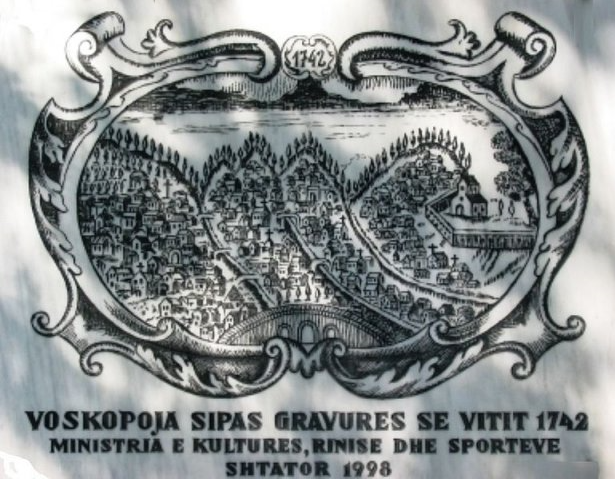
Voskopoja in 1742
In Albania, the word "Academy" was first mentioned in 1750, when the so-called "New Academy" was established in Voskopoja, which was a high school, but also a well-known cultural center not only within the country, but also abroad. Although the "New Academy" had neither the construction nor the duties of the Academies of Sciences in other European countries, it is linked to the cultural heritage and developments of the Albanian people. Despite the fact that Albania and the Albanians have been under foreign rule and government for centuries, they were able to survive by preserving and developing their original language and culture. Over the centuries, Albanians have made no shortage of efforts to impart their knowledge. Their cultural and scientific contributions can be found not only in Albania, but also in many European countries and beyond. They appeared in three main areas:
- In the field of humanism (philosophy, history, literature, theology, folklore); Dhimitër Frëngu (1443-1525); Gjon Buzuku (16th century); Marin Barleti (around 1460-1512); Pjetër Budi (1566-1623); Frang Bardhi (1606-1643); Pjetër Bogdani (1625-1689) etc.;
- In the field of art (music, painting and sculpture); Jan Kukuzeli (1010-1075) – the most famous figure in music; Onufri (16th century), the most famous painter; painters of the 18th century, David Selenicasi and Konstandin Shpataraku, etc.;
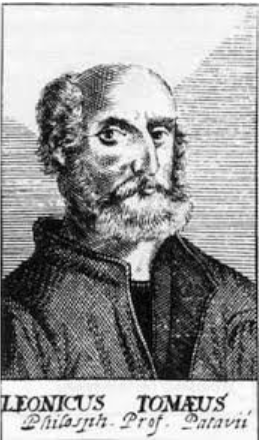
- In the field of science scholars such as Gjon Gazulli (1400-1465), astronomer and mathematician; Leonik Tomeu (1456-1531), astronomer, philosopher and professor of Nicolaus Copernicus at the University of Padua, etc.
Leonik Tomeu
Frang Bardhi
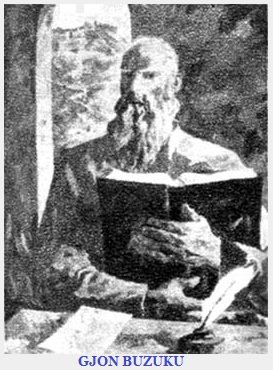
Gjon Buzuku
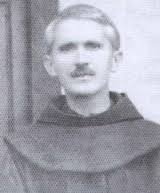
Dhimitër Frëngu
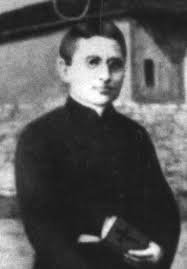
Gjon Gazulli
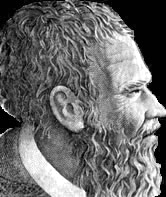
Pjeter Bogdani
Pjeter-Budi
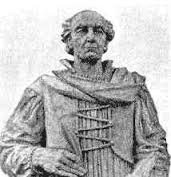
Marin Barleti
Successive invasions damaged and hindered the cultural development and progress of the country, but they could not interrupt the Albanian cultural heritage and alienate the originality of Albanian art and popular culture. This is evident in the written historical sources, in the numerous linguistic evidence, in the archaeological findings, in the wonderful costumes and Albanian folklore, in the interior environments and in the handicrafts. Due to these historical circumstances, the Albanians lost time in their cultural and scientific development. Even the first major evidence of Albanian writing and Albanian literature dates back to the 16th century (Gj. Buzuku 1555, L. Matrënga 1592), although Albanian is one of the most ancient Indo-European languages.
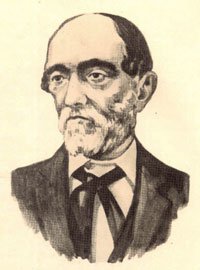
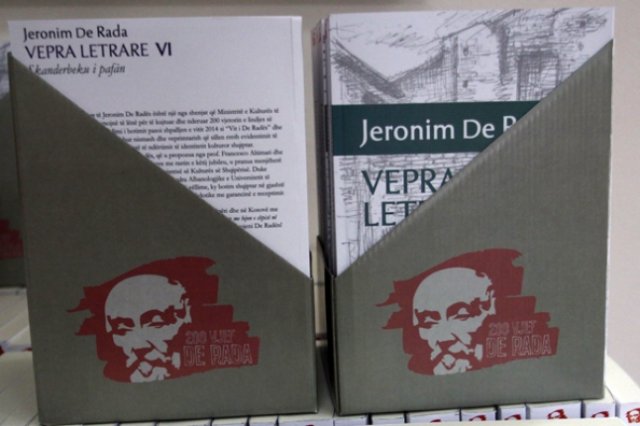
Foreign rulers did not even allow Albanians to open schools in their native language. It goes without saying that in those conditions there could be no question of scientific institutions. Despite the denial of all cultural and educational rights of Albanians in the Ottoman Empire and the policy of cultural chauvinism of neighboring monarchies, the breath of the European Renaissance entered Albania. Meanwhile, a healthy literary tradition and scientific research on the language and antiquity of our nation had been created among the Arbëresh of Italy, especially after the establishment of the College of Palermo and the College of Saint Adrian (in Saint Mitre of Calabria) in the 1830s. The works of Engjëll Mashi, Vincenzo Dorsa, Dhimitër Kamardë, Jeronim De Rada, etc., attracted the attention of the scientific world and encouraged the development of Albanian studies. Even among the Arvanites in Greece, an interest is developing in scientifically illuminating their history and language and in arguing for the political demands of the Albanian people (A. Kullurioti, etc.).
College of St. Adrian Calabria
Jeronim De Rada
Lekë Matrënga
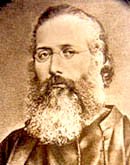
Dhimitër Kamarda
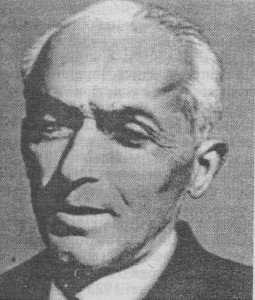
The National Renaissance, from the second half of the 19th century, with its efforts to awaken our national consciousness, in the fight for freedom and independence, to affirm the Albanian nation and culture, gave a great impetus to the progress of scientific thought on issues of the history of the Albanian people, its traditions and language, for the spread of education in the native language, for the unification of the Albanian alphabet, also for the dissemination and processing of initial knowledge in various branches of science. Many bright figures of the Albanian nation, such as Sami Frashëri, Hasan Tahsini, Refat Frashëri etc., although they developed their activity outside the homeland, strove not only for freedom and independence, but also for the development of Albanian education, culture and science. They even gave special importance to cultural development, as a condition for achieving national freedom. Naim Frashëri has summarized this in the programmatic verses: “And the light of knowledge will lead us forward, forward towards freedom!” From the end of the 19th century and the beginning of the 20th century, many Albanian societies and clubs were created, mainly in exile, but also in Albania, which united intellectual and literary forces around themselves.
After the Declaration of Independence in November 1912, with the efforts of the most prominent Albanian intellectuals and researchers, several cultural centers and clubs that also performed research functions were created in some of the main cities of Albania. These first efforts to create a bed of Albanian science were increased and became more organized with the consolidation of the Albanian state, after the Congress of Lushnja. Several special services were established that also performed some research function, such as the Veterinary or Epidemiological Service (1928), the Xhafzotaj Farm and some others. Foreign researchers, such as F. Nopça, H. Luis, F. Markgraf, A. Hajek, E. Durham, L. Rei, etc., also gave their valuable contribution to the development of Albanian studies, furthering the tradition of Albanological studies of the 19th century. During the years of World War I and afterwards, not only the language, ethnology and history of the Albanians were researched, but also the geology and natural resources, relief, vegetation, and archaeological research and excavations were carried out. Albanian specialists who were being trained in foreign universities began to participate and cooperate in these research and studies. The Albanian language, history and folk culture, literature, art and traditions were the main areas of their personal contribution.
This scientific activity began to take its fullest form and develop further during the 1930s and 1940s, when many intellectuals, educated abroad, laid the foundations of Albanian studies, such as: Aleksandër Xhuvani, Kostaq Cipo, Eqrem Çabej, Bilal Golemi, Gjovalin Gjadri, Hasan Ceka, etc.
Gjovalin Gjadri
Franc Nopça
Ernest Koliqi
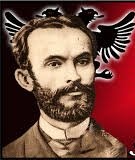
Sami Frashëri
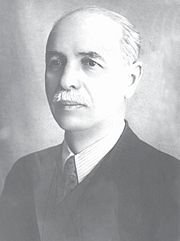
Alexander Xhuvani
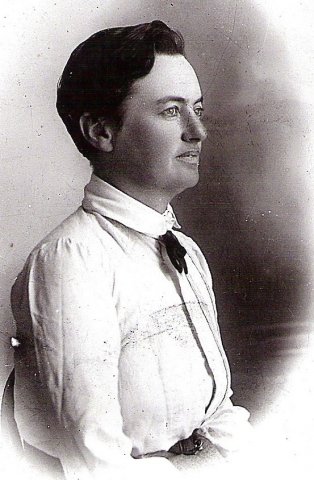
Edith Durham
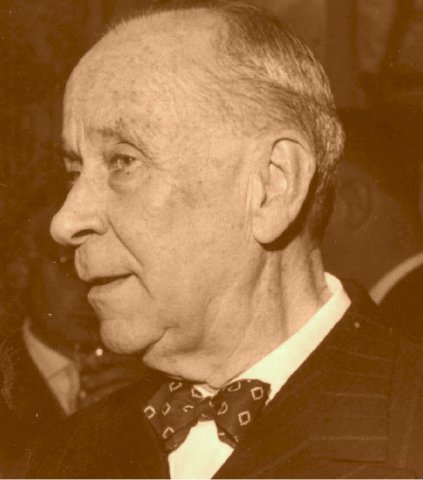
Eqerem bej Vlora
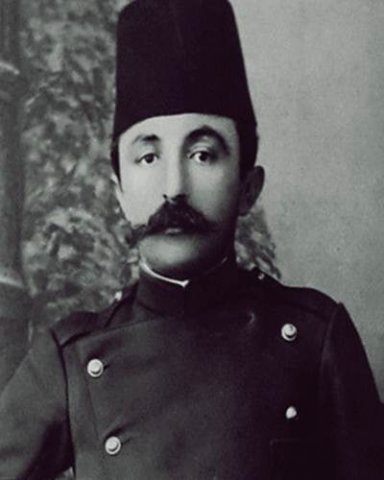
Refat Frasheri
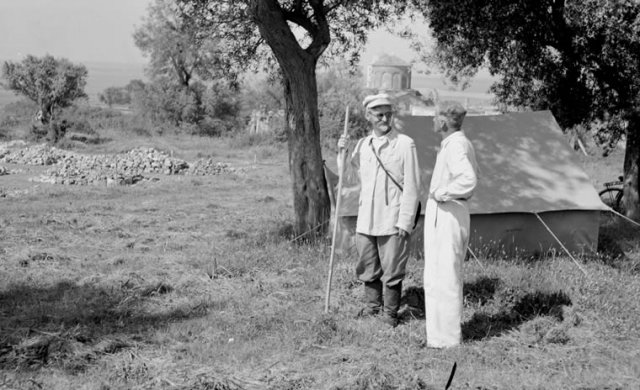
Hasan Ceka
V. Blavatsky
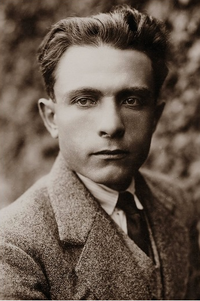
Bilal Golem
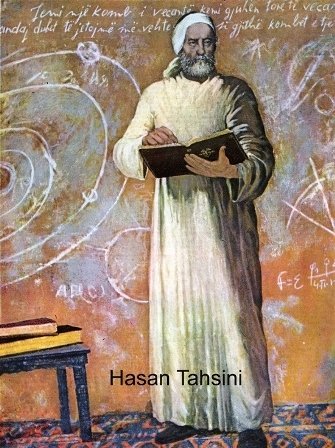
Hassan Tahsini
Kostaq Cipo
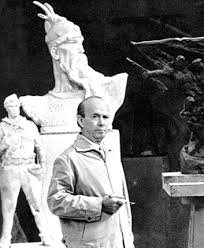
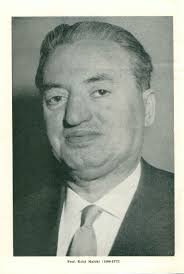
A first attempt to organize scientific activity was made in 1940 with the creation of the Institute of Albanian Studies, which, under the conditions of the Italian occupation, included renowned Albanian and Italian scholars of language, literature and art. The first chairman of this Institute was Ernest Koliqi and the general secretary was Zef Valentini, while among the members were prominent intellectuals such as Aleksandër Xhuvani, Ekrem Vlora, Eqrem Çabej, Karl Gurakuqi, Kolë Kamsi, Lasgush Poradeci, Lazër Shantoja, Sotir Kolea, Vangjel Koça, etc. In 1942 it was called the Albanian Royal Institute, under the Prime Minister’s Office. During the German occupation (1944) the Institute was reorganized and called the Institute for Studies and Arts, with the expansion of the fields of research and the number of scholars, now only Albanians, divided into three branches: linguistics, arts and natural and technical sciences. This institution also included other well-known intellectuals of the time, such as: Ali Asllani, Arshi Pipa, Hamdi Sulçebe, Hasan Dosti, Krist Maloki, Kristo Floqi, Ndoc Nikaj, Mithat Frashëri, Odhise Paskali, Spiro Konda, Vasfi Samimi, Vedat Kokona, etc.
Odhise Paskali
Krist Maloki
Eqrem Çabej
Work by Zef Valentini
Kolë Kamsi
Ali Asllani - Works
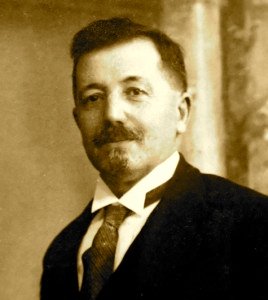
Sotir Kolea
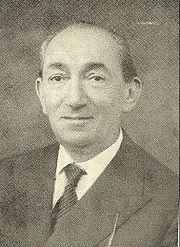
Karl Gurakuqi
Works of Lazër Shantojës
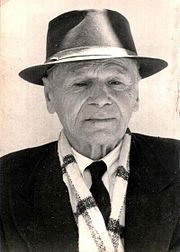
Lasgush Poradeci
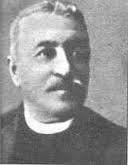
Ndoc Nikaj
Mithat Frasheri
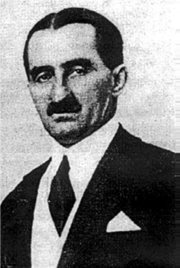
Kristo Floqi
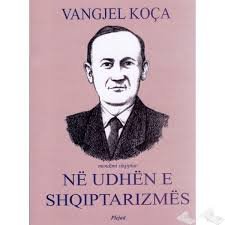
Work by Vangjel Koça
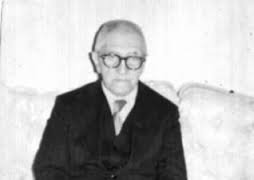
Hasan Dosti
One of the main directions of the work of the Institute for Albanian Studies was the publication of works by Renaissance figures and prominent Albanian authors, such as: volumes and anthologies of Albanian prose and literature, dictionaries of early Albanian authors, documents and publications by foreigners about the Albanian nation, collections of works on folklore, as well as the establishment of a museum of natural sciences (with zoological, floristic and mineralogical sectors), the creation of a photographic archive (in collaboration with the Marubi studio) and cartographic archives, etc. However, in the conditions of war and occupation, this institution was unable to realize the encouragement and broad development of scientific research and publications. Immediately after the Liberation of the country, the idea was revived and the path continued, until the establishment of the institution that was called the Institute of Studies (1946); In 1948 it was reorganized as the Institute of Sciences and became a center of organized scientific research and activities. In addition to many employees from the pre-war institute, new employees were gradually included and their number increased; the first director of this Institute was Selahydin Toto. The Institute consisted of 3 sections: a) linguistics and literature; b) history and sociology; c) natural and biological sciences. Under his direction also operated the National Library, the State Archives, the Archaeological-Ethnographic Museum, the Museum of Natural Sciences, the Hydrometeorological Service and the Chemical Research Laboratory. The regular publication of the first scientific journal, the Bulletin of the Institute of Sciences (as the Bulletin of the Institute of Studies was renamed and only one issue was published) began and a series of works were published, such as Albanian Grammar (1949) and Syntax (1952) by Kostaq Cipo, Dictionary of the Albanian Language (1954), Trees and Shrubs of Albania (1955) by Ilia Mitrushi, etc. In 1952, the Institute organized two scientific sessions on the problems of the Albanian national literary language. In 1955, the social sciences sections were merged into one, forming the Institute of History and Linguistics.
In 1957, the University of Tirana was founded, which also included the Institute of Sciences and laid the foundations for the preparation of scientific personnel for all fields in the country. To cope with an increasingly extensive problem, starting from the late 1960s onwards, a network of more specialized scientific institutions in specific fields was established, some of them with a more prominent application emphasis. Their research work has been reflected in a number of scientific journals in Albanian and foreign languages, as well as in non-periodical collections.
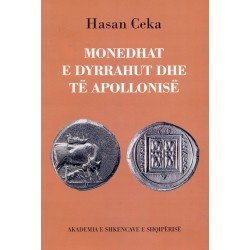
The work of Hasan Cekës
Works of Jeronim De Radës
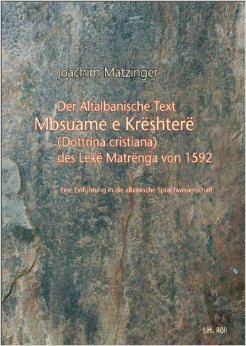
The work of Lekë Matrënga
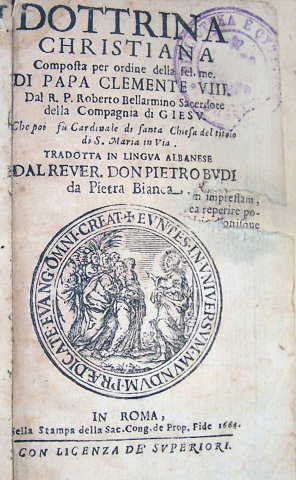
The work of Pjeter Budi
Albanian language grammar
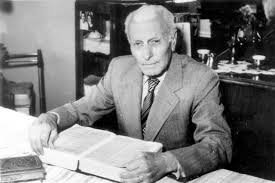
Vedat Kokona
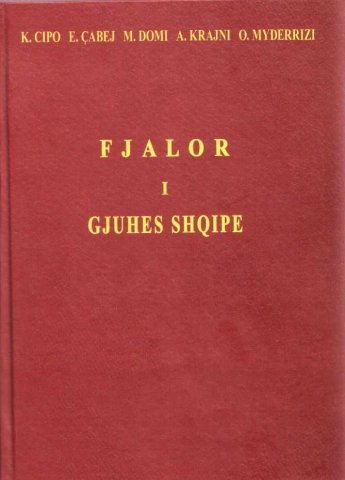
Albanian Language Dictionary 1954
The work of Vincenzo Dorsa
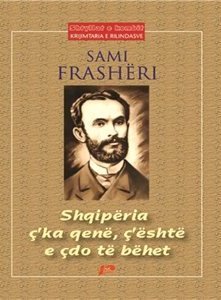
Sami Frashëri's work
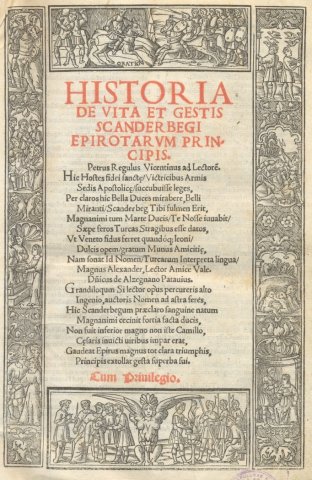
The work of Marin Barleti
Works of Naim Frashëri
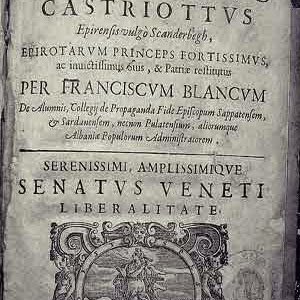
Skanderbeg's Apology by Frang Bardhi
Vasfi Samimi
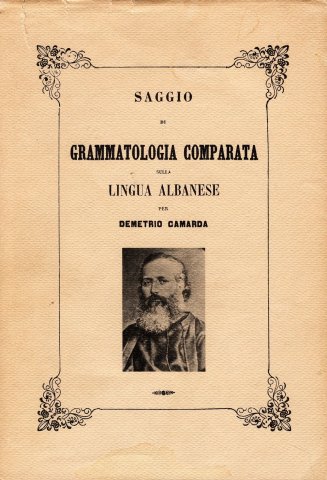
Vepër e Dhimitër Kamardës
Gramatika Shqipe 1949
Fjalori latinisht i Frang Bardhit
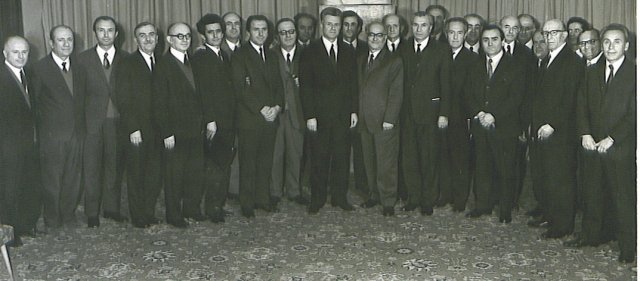
By 1972, there were 25 scientific research institutions operating in the country. Under these circumstances, the need arose to establish the Academy of Sciences as a national scientific research institution.
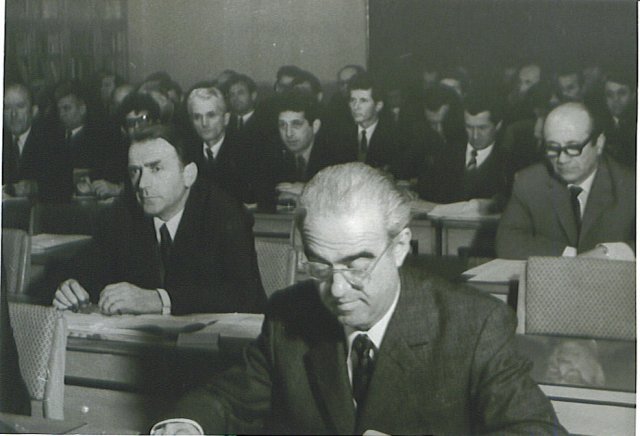
Thus, on October 10, 1972, the creation of the Academy of Sciences of Albania was decreed by the Presidium of the People’s Assembly. The first meeting of the Academy’s Assembly was held on January 25, 1973. Prof. Aleks Buda was elected President of the Academy of Sciences of Albania. Prominent scientists such as Eqrem Çabej, Mahir Domi, Kolë Popa, and others stood out among its founders. At its inception, the Academy comprised 17 full members and 5 corresponding members; it operated through a network of institutes covering social sciences and Albanology, as well as natural and technical sciences.
Foto
Foto
Aleks Buda, Lasgush Poradeci and Ismail Kadare
Foto
The Assembly of the Academy of Sciences of Albania
Foto
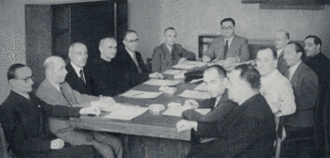
Working Meeting of the Institute of Albanian Studies
The First Presidency of the Academy of Sciences of Albania
Personal Injury
Real Estate
Business Finance
Intellectual Property
Fields of Expertise
Sea ex ipsum dictas pertinacia, luptatum verterem sit ut. No sea noster dissentias. Nostro minimum iuste.
Sale vivendum senserit an eum, ubique noster ex pro, at vel accommodare ullamcorper. Cu duo minim vocibus menandri, at omittam voluptatum usu. Fabulas docendi iracundia ex cum, viris putant dissentiunt ex cum. Id vim tale mutat, eu vide velit oporteat pri. Mollis vidisse saperet.
Awards & Honors
Super Lawyers
Agam necessitatibus ius. Ius ei dolorem constituto. Vel sale repudiandae harum putent.
Rising Stars
Agam necessitatibus ius. Ius ei dolorem constituto. Vel sale repudiandae harum putent.
Modern Law
Agam necessitatibus ius. Ius ei dolorem constituto. Vel sale repudiandae harum putent.
Meet the Team
Nullam faucibus sodales mi. Vivamus nisl lorem, vulputate id pellentesque non, tristique ac leo. Pro id vocent recteque intellegat, pri verear principes incorrupte.
Send Us a Message
Error: Contact form not found.